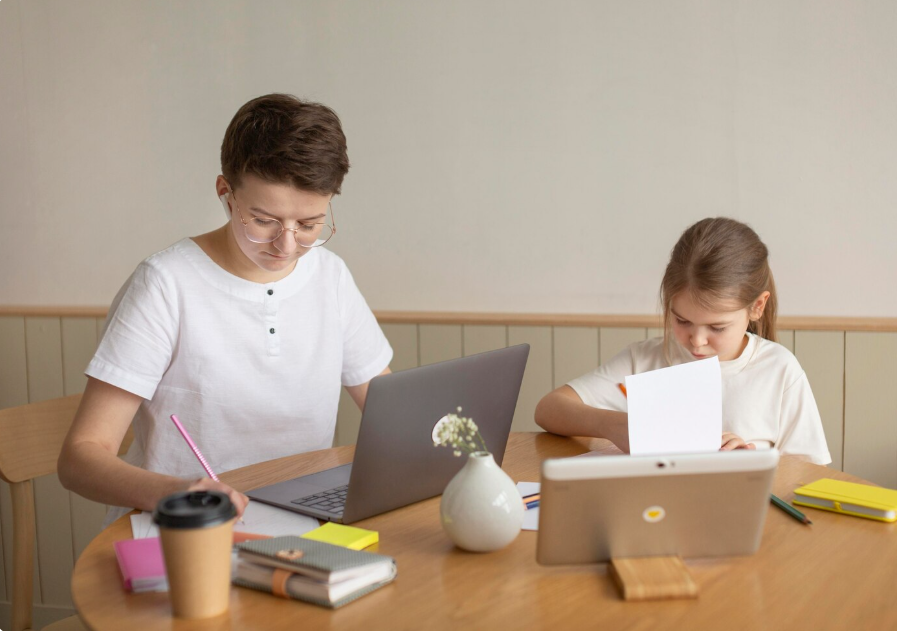
Choosing the right educational environment can help children develop strong academic skills, confidence, creativity, and independence. Many parents are exploring alternatives to traditional schooling that provide more flexibility while maintaining consistent academic support. homeschool hybrid schools offer a balanced approach by combining guided instruction, social interaction, and learning opportunities at school with education at home. This arrangement can help families create a schedule that suits their children’s needs while keeping parents involved in their progress. Lighthouse Learning Microschool in Longwood, Florida, provides flexible educational pathways designed to support individual learning needs, meaningful relationships, and hands-on experiences.
What Makes Hybrid Homeschooling Different?
Hybrid homeschooling combines home-based education with structured learning sessions led by educators. Depending on the program, children may attend classes several days each week and complete additional assignments or activities at home.
This approach gives families a balance between flexibility and structure. Students can receive guidance from teachers while parents remain actively involved in their educational journey. Scheduled classes also provide opportunities to participate in discussions, collaborate with classmates, and build friendships.
A hybrid program may include reading, mathematics, writing, science, history, and creative enrichment. The specific subjects, schedule, and responsibilities vary by school, so families should review each program carefully before enrolling.
Benefits of a Smaller Learning Environment
Traditional classrooms may not provide the same level of individual attention for every student. A smaller educational setting can give teachers more opportunities to understand each child’s strengths, challenges, interests, and academic progress.
Personalized instruction can help students work on skills at an appropriate pace. Children who need additional practice may receive extra guidance, while those ready for more advanced material can explore new concepts.
Smaller learning communities can also encourage participation. Students may feel more comfortable asking questions, sharing ideas, and seeking assistance when they know their teachers and classmates well.
Other potential benefits include:
- Individual attention: Teachers can identify learning gaps and provide targeted support.
- Flexible routines: Families can choose arrangements that fit their educational priorities.
- Social development: Group activities encourage communication, cooperation, and friendship.
- Hands-on learning: Projects and practical experiences help connect lessons with real life.
- Growing independence: Students can gradually build responsibility and organizational skills.
Exploring Microschool Education in Florida
Families researching microschools in florida can compare educational models that offer smaller classes, personalized instruction, and a stronger sense of community. Microschools typically serve fewer students than conventional schools, allowing educators to create learning experiences that respond more closely to individual needs.
Lighthouse Learning Microschool serves students from kindergarten through eighth grade in Longwood, Florida. Its educational options combine academic instruction with flexible schedules and enrichment opportunities. Depending on the selected pathway, students can participate in core academic days, enrichment activities, or a combination of both.
Enrichment may include science, art, music, physical education, collaborative projects, and field trips. These experiences give children opportunities to discover interests, develop practical abilities, and learn alongside their peers.
Parents should review the school’s current program details to understand grade availability, attendance expectations, tuition, and enrollment requirements before making a decision.
How to Choose the Right Program for Your Child
Finding a suitable school involves considering more than its location or schedule. Families should evaluate how instruction is delivered, how progress is measured, and how teachers communicate with parents.
Start by identifying your child’s learning preferences and educational goals. Consider whether your family needs several days of academic instruction each week, occasional enrichment sessions, or a more immersive school experience.
Ask prospective schools about class sizes, curriculum, teacher qualifications, assessment methods, and opportunities for social interaction. It is also useful to understand how much learning support parents are expected to provide at home.
Whenever possible, arrange a school visit or introductory conversation. Seeing the learning environment and speaking with educators can help you determine whether the program offers the structure, flexibility, and community your child needs.
Final Thoughts
Every child deserves an educational experience that supports academic growth while encouraging curiosity, confidence, and meaningful relationships. Hybrid homeschooling and microschool education provide families with additional choices beyond conventional classroom models. By comparing teaching approaches, schedules, learning support, and enrichment opportunities, parents can identify an environment that fits their family’s goals and helps their children develop the skills needed for future success.