Tube and joint systems have revolutionized the construction and design of robust and adaptable structures across various industries. These systems are widely used in industries ranging from construction to event staging, offering a combination of strength, flexibility, and ease of assembly. This article explores the reasons why tube and joint systems are an ideal choice for building durable yet versatile structures.
What Are Tube and Joint Systems?
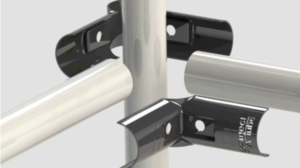
Tube and joint systems are modular frameworks that consist of metal tubes (typically steel or aluminum) and specialized joints that connect the tubes together. These joints are designed to provide a strong and secure connection, allowing for the creation of various shapes and structures, such as scaffolding, frames, and support systems. The modular nature of tube and joint systems means that they can be reconfigured, expanded, or disassembled to suit different needs, making them highly versatile.
Strength and Durability
One of the most significant advantages of tube and joint systems is their strength. The combination of durable metal tubes and reinforced joints creates a highly resilient structure capable of withstanding heavy loads and environmental stress. For example, in construction, tube and joint systems are often used for scaffolding and temporary structures, providing the necessary support while maintaining safety standards. The materials used in these systems are often chosen for their resistance to corrosion and wear, further enhancing their longevity.
The tube and joint connections are engineered to ensure maximum load distribution, preventing any single point from becoming too stressed. This strength is crucial in environments where structural integrity is paramount, such as in the construction of tall buildings or large event stages.
Flexibility and Customization
Another key benefit of tube and joint systems is their exceptional flexibility. Because the components are modular, they can be assembled in virtually any configuration. This allows for the creation of customized solutions that meet specific design requirements. Whether you’re building a temporary display structure, a permanent framework for industrial equipment, or a scaffold for a complex building project, tube and joint systems offer the flexibility to adapt to the task at hand.
The ability to easily reconfigure and modify a tube and joint system is particularly valuable in industries where requirements frequently change. For example, event organizers often rely on tube and joint systems for staging and exhibition spaces because they can quickly modify the setup to accommodate different layouts or sizes. Similarly, in construction, these systems allow for the easy addition or removal of components, making them ideal for dynamic work environments.
Ease of Assembly and Disassembly
Time and labor efficiency are important considerations when building temporary or permanent structures, and tube and joint systems excel in this area. These systems are designed for quick assembly and disassembly, reducing the time needed for construction and lowering labor costs. The use of bolts or pins to secure the joints means that no welding or specialized tools are required, making the system accessible to a wide range of operators.
Moreover, the ability to disassemble the structure and reuse the components is a significant advantage. In industries such as event planning or construction, where temporary structures are frequently needed, the reusability of tube and joint systems offers both financial and environmental benefits. Components can be stored and used for future projects, minimizing waste and ensuring long-term cost-effectiveness.
Safety and Stability
In industries where safety is a primary concern, such as construction or public events, the stability and security of a structure are non-negotiable. Tube and joint systems are designed to provide exceptional stability by ensuring that each connection is tightly secured and capable of handling the required loads. The joints are engineered to lock the tubes in place, preventing any movement or loosening during use.
Additionally, these systems are often built to comply with safety regulations, ensuring that they meet the necessary standards for load-bearing capacity and overall reliability. This makes them a trusted solution in sectors that prioritize safety, such as construction, staging, and industrial support systems.
Cost-Effectiveness
Finally, the cost-effectiveness of tube and joint systems cannot be overlooked. The modular nature of these systems allows for scalable solutions that can be adjusted to suit a variety of budgets and project sizes. With fewer materials required for assembly, reduced labor costs for construction, and the ability to reuse components, tube and joint systems offer a highly economical choice for creating both temporary and permanent structures.
Conclusion
Tube and joint systems have proven themselves as ideal solutions for creating strong, flexible, and cost-effective structures. Their modularity, strength, ease of assembly, and ability to be adapted to various applications make them a versatile and valuable tool for industries such as construction, event planning, and industrial support. By offering a combination of durability, flexibility, and efficiency, tube and joint systems continue to be a preferred choice for designing structures that need to stand the test of time while accommodating changing requirements.