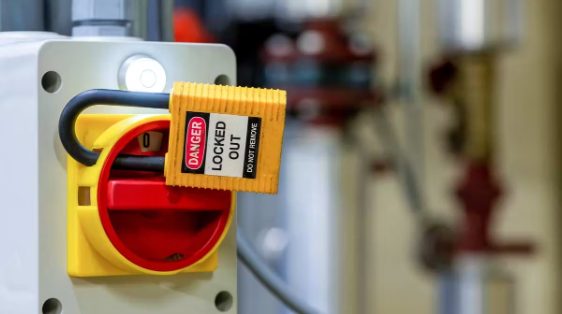
Working with electricity can be dangerous, and even small mistakes can lead to serious injuries or equipment damage. Electrical accidents are common in workplaces that use heavy machinery, electrical panels, or other power sources. To prevent these accidents, businesses use safety procedures like electrical lockout tagout. This method ensures that electrical systems are safely turned off and cannot be accidentally turned on while maintenance or repairs are being done. Understanding how electrical lockout tagout works and why it is important can help keep workers safe and reduce the risk of electrical hazards.
What Is Electrical Lockout Tagout?
Electrical lockout tagout is a safety procedure used to protect workers from electrical hazards. It involves turning off the power to equipment or machinery and locking it in the off position. A tag is then attached to indicate that the equipment is under maintenance and should not be turned on. This prevents accidental start-ups that could cause electric shocks, burns, or other injuries. Electrical lockout tagout is not just about turning off a switch; it is a formal process that includes proper training, using the correct devices, and following company safety rules.
Why Electrical Hazards Are Dangerous
Electrical hazards can cause serious injuries or even death. Electric shock occurs when the body comes in contact with live wires or equipment. High voltage can cause burns, internal injuries, or cardiac arrest. Additionally, electrical fires can start when faulty wiring or equipment malfunctions. These risks make it essential to control access to electrical systems during maintenance. Electrical lockout tagout helps ensure that workers are not exposed to these hazards, making the workplace safer for everyone.
How Electrical Lockout Tagout Works
The electrical lockout tagout process starts with identifying all energy sources connected to a piece of equipment. Workers then turn off the power and use a lock to secure the energy source in the off position. A tag is added to warn others that maintenance is in progress. Only the person who applied the lock is allowed to remove it. This step ensures that equipment cannot be accidentally powered on. Proper training is essential so that workers understand how to apply and remove locks and tags safely. Regular inspections of the lockout tagout system are also necessary to maintain its effectiveness.
Benefits of Using Electrical Lockout Tagout
Using electrical lockout tagout offers several key benefits for both employees and employers. First, it significantly reduces the risk of electrical injuries, protecting workers from potential harm. Second, it helps prevent damage to machinery and equipment, which can be costly to repair. Third, it promotes a culture of safety in the workplace, ensuring that employees follow procedures and stay alert to potential hazards. By using electrical lockout tagout consistently, companies can meet safety regulations and avoid legal or financial consequences associated with workplace accidents.
Training and Compliance
For electrical lockout tagout to be effective, workers must receive proper training. Training covers how to identify energy sources, how to use locks and tags, and how to follow company safety rules. Employees should also understand the importance of not bypassing the lockout tagout process. Compliance with safety regulations, such as OSHA standards in the United States, is required for many workplaces. Following these regulations not only protects workers but also improves overall operational efficiency by preventing downtime caused by accidents.
Common Mistakes to Avoid
Even with an electrical lockout tagout system, mistakes can occur if procedures are not followed carefully. One common mistake is failing to properly identify all energy sources, which can leave some equipment energized. Another is removing locks or tags without authorization, which can put workers at risk. Inadequate training or poor communication between team members can also lead to accidents. Being thorough, double-checking systems, and maintaining clear communication are critical steps to avoid these errors.
Conclusion
Electrical lockout tagout is an essential safety procedure that helps prevent electrical hazards in the workplace. By locking and tagging equipment, workers can safely perform maintenance and repairs without the risk of accidental start-ups or electric shocks. Proper training, compliance with safety regulations, and careful attention to detail are crucial for the system to work effectively. Implementing electrical lockout tagout not only protects employees but also helps maintain equipment, reduce costs, and create a culture of safety. For any workplace that handles electricity, using electrical lockout tagout is a simple but powerful way to avoid dangerous accidents.