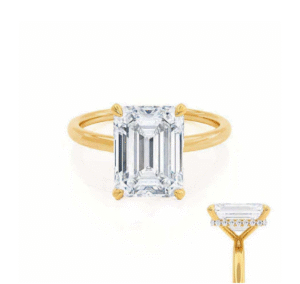
Personal style is more than clothing choices. It is a reflection of identity, mood, and personal values, and this extends naturally to accessories. From jewelry to bags to watches, the items people choose often communicate who they are or who they want to be. In this evolving landscape of self-expression, brands like lily arkwright have become part of the conversation as individuals explore how accessories can align with their unique aesthetic and daily lifestyle. Understanding how personal expression shapes accessory preferences helps explain why certain pieces resonate so strongly with different people.
At its core, accessory choice is about storytelling. Each person carries a unique narrative that influences the items they gravitate toward. Some choose minimal pieces that project simplicity and intentional living, while others favor bold designs that reflect confidence and artistic flair. These preferences are rarely random. They come from personality traits, cultural influences, and day-to-day needs. Accessories act as small but powerful tools for communicating that inner world without saying a word.
Color psychology also plays a major role in shaping accessory decisions. For instance, individuals who lean toward calm and structured environments often choose accessories in neutral or cool tones. These colors help express a sense of balance and clarity. Others who enjoy vibrancy and excitement might prefer bright and energetic hues that reflect optimism or spontaneity. Over time, these color choices often become part of a person’s signature look, reinforcing their identity through consistent visual cues.
Material choice adds another layer to personal expression. Some favor classic metals or gemstones for a timeless, refined appearance. Others seek sustainable or ethically sourced materials because their values include environmental consciousness and mindful consumption. This connection between values and accessories has become more prominent as consumers increasingly align purchases with their beliefs. A piece made from recycled materials or produced through responsible practices can represent a commitment to thoughtful living, not just a fashion preference.
Trends still influence accessory choices, but personal interpretation determines how trends are adopted. Two people might follow the same trend in completely different ways based on their personal expression. One may embrace a popular style in its boldest form, while another incorporates a subtler version that fits more comfortably within their existing aesthetic. It is this individuality in trend adoption that keeps the fashion world diverse and continuously evolving.
Cultural background and shared experiences also contribute to the meaning behind accessory preferences. Someone may choose pieces inspired by heritage, family traditions, or meaningful symbols. These items often hold emotional value and allow individuals to maintain a connection to their roots. Accessories, in this context, become more than style choices. They transform into personal artifacts that preserve stories and memories.
Functionality cannot be overlooked. People express themselves through how they balance practicality with style. Some prefer structured, efficient designs that reflect discipline and organization. Others select visually expressive pieces even if they are less conventional. This balance between need and expression shapes the accessories someone finds essential in their daily routine.
Ultimately, personal expression is the driving force behind accessory preferences. Through colors, materials, styles, and meanings, individuals build a visual identity that evolves as they grow and change. Accessories become extensions of that identity, helping people share their character, values, and aspirations with the world in subtle yet powerful ways.