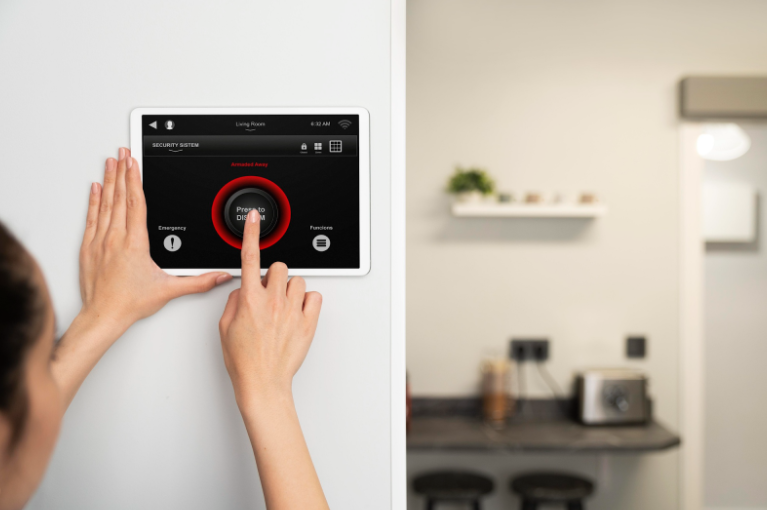
In today’s interconnected world, the concept of a “smart home” has evolved beyond mere convenience – it has become a crucial aspect of home security. At the heart of this transformation lies the integration of a home intruder alarm system with your broader network of Internet of Things (IoT) devices. By leveraging this powerful combination, you can create a comprehensive, responsive, and intelligent security solution for your home.
Understanding the Role of a Home Intruder Alarm
A home intruder alarm is the foundation of a robust home security system. These systems are designed to detect unauthorized entry, alert you, and in some cases, even deter potential burglars. As we know, home intruder alarm systems often rely on sensors placed at entry points, such as doors and windows, to detect motion or disturbances. When triggered, the alarm system sounds like a loud siren and can be programmed to notify the homeowner or even contact emergency services.
Integrating Home Intruder Alarms with IoT Devices
The real power lies in the seamless integration of a home intruder alarm system with your smart home devices. By connecting these two elements, you can create a cohesive and responsive security solution that goes beyond the traditional alarm system.
Enhanced Notification and Monitoring
When your home intruder alarm is linked to your smart home devices, you can receive instant notifications on your smartphone, tablet, or computer. This allows you to stay informed and take immediate action, even when you’re away from home. Additionally, you can integrate security cameras to provide visual confirmation of any triggered alarms, giving you a comprehensive view of the situation.
Automated Response and Deterrence
Integrating your home intruder alarm with IoT devices enables automated responses to potential threats. For example, when the alarm is triggered, you can program your smart lights to turn on, creating the illusion of activity and potentially deterring the intruder. You can also integrate smart locks to automatically secure your doors, making it more difficult for an intruder to gain access.
Voice Control and Integration
Many smart home devices, such as voice assistants, allow you to control your home intruder alarm system using voice commands. This hands-free approach can be particularly useful in emergency situations, enabling you to quickly activate the alarm or check its status without having to physically interact with the system.
Energy Efficiency and Cost Savings
By integrating your home intruder alarm with other smart home devices, you can achieve increased energy efficiency and cost savings. For instance, you can program your smart thermostat to adjust the temperature when the alarm is armed, reducing energy consumption when the home is unoccupied.
Customizable Automation and Routines
The versatility of IoT devices allows you to create personalized automation and routines that seamlessly integrate with your home intruder alarm. For example, you can set up a “leaving home” routine that arms the alarm, locks the doors, and turns off the lights when you depart, ensuring your home is secure and energy-efficient.
Conclusion
The integration of a home intruder alarm with your IoT devices represents a significant advancement in home security. By leveraging the power of interconnected smart devices, you can create a comprehensive, responsive, and intelligent security system that not only protects your home but also enhances your overall living experience. As the smart home revolution continues to evolve, embracing this integration will keep your home and family safe in the years to come.