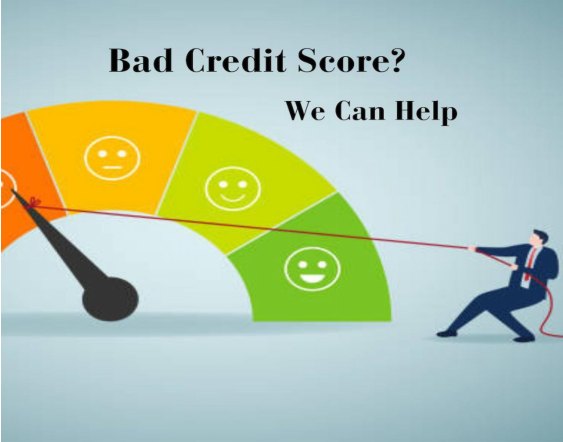
A low credit score can be a roadblock when you need financial assistance. Securing a loan with a less-than-perfect credit history can be challenging, whether for an emergency expense, debt consolidation, or a personal investment. However, low credit score loans exist, and with the right approach, you can improve your chances of approval while securing favourable terms.
In this guide, we’ll explore essential tips to help you navigate the world of low credit score loans, understand the risks, and make informed financial decisions.
How Low Credit Score Loans Work
Before diving into the tips, it’s essential to understand what low credit score loans are. These loans are designed for individuals with poor or limited credit histories. Because lenders see such borrowers as high-risk, they often come with higher interest rates, stricter terms, or additional requirements like collateral or a co-signer.
Types of Low Credit Score Loans:
- Personal Loans– Unsecured loans with high interest rates but flexible usage.
- Secured Loans– Require collateral, such as a car or property, to reduce lender risk.
- Payday Loans– Short-term loans with extremely high interest rates and quick repayment periods.
- Credit Builder Loans– Specifically designed to help borrowers improve their credit score over time.
- Peer-to-Peer Loans– Loans from individual investors instead of traditional banks.
Tips for Borrowers Seeking Low Credit Score Loans
1. Check Your Credit Score Before Applying
Review your credit report before applying for any loan to understand where you stand. You can obtain a free credit report from credit bureaus like Experian, Equifax, or TransUnion. Checking your credit score helps you:
- Identify any errors that may be dragging your score down.
- Determine the type of loan you might qualify for.
- Plan ways to improve your score before applying.
2. Compare Different Lenders and Loan Offers
Not all lenders have the exact requirements or interest rates. Shopping around allows you to find a lender with the best possible terms. When comparing, consider:
- Interest rates– Lower rates save money over time.
- Repayment terms– Flexible repayment options can ease financial strain.
- Fees and penalties– Look out for hidden charges like origination fees or prepayment penalties.
3. Consider a Co-Signer or Collateral
If your credit score is too low to qualify, having a co-signer (someone with a good credit score) can boost your chances of approval. Alternatively, offering collateral for a secured loan can make lenders more willing to approve your application.
4. Look for Alternative Lending Options
Traditional banks might not always be the best option for low-credit score loans. Consider:
- Credit unions– often provide lower rates and better terms for members.
- Online lenders– Some fintech lenders specialise in loans for bad credit borrowers.
- Community assistance programs– Local organisations sometimes offer small loans or financial counselling.
5. Beware of Predatory Lenders
Predatory lenders often target desperate borrowers who promise guaranteed approval but charge exorbitant interest rates or hidden fees. Red flags include:
- No credit check is required.
- Pressure to accept terms quickly.
- Requests for upfront payments before loan approval.
6. Improve Your Credit Score Over Time
If you do not need a loan urgently, consider improving your credit score before applying. Some steps to take include:
- Paying off outstanding debts.
- Making payments on time.
- Reducing your credit utilisation ratio.
- Avoiding multiple loan applications in a short period.
Conclusion
Navigating low credit score loans requires careful planning, research, and awareness of potential risks. By checking your credit report, comparing lenders, and considering alternative options, you can secure a loan that meets your needs without falling into financial traps.
While these loans can provide relief in tough times, always work towards improving your credit score to access better financial opportunities in the future. Need a loan? Start with the right strategy and make informed decisions that set you up for financial success!